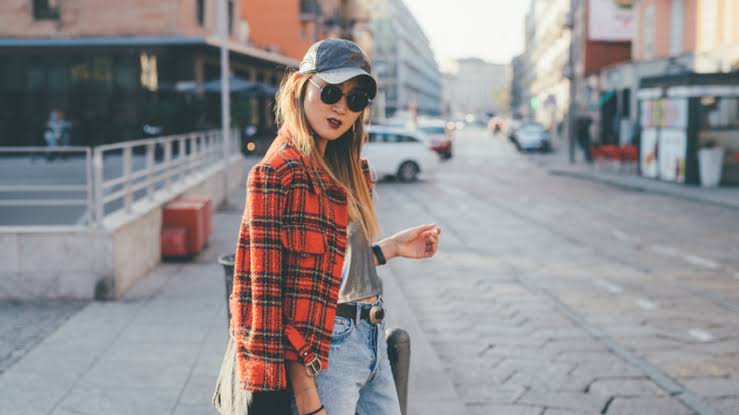
Urban fashion has undergone a remarkable transformation over the past few decades. What was once considered a niche form of self-expression associated with local youth communities has gradually become one of the most influential forces shaping global fashion culture. Across major cities, style inspired by everyday urban life has moved beyond its original roots and entered mainstream retail, luxury collections, and even corporate environments.
This evolution reflects broader cultural shifts. Modern consumers increasingly value authenticity, individuality, and personal storytelling. Rather than following rigid fashion rules, many people now seek clothing that reflects their lifestyle, identity, and values. As a result, city-inspired aesthetics have become more than a trend; they have developed into a long-term cultural movement that continues to influence how people dress and present themselves.
Functionality and Identity Now Go Hand in Hand
One of the defining characteristics of contemporary urban fashion is its ability to combine practicality with personal identity. Modern consumers are no longer interested solely in appearance; they also expect clothing to fit seamlessly into fast-paced lifestyles that include commuting, travel, work, and social activities.
This shift explains why items such as men streetwear jackets have gained popularity among a wide range of consumers. These garments often balance comfort, versatility, and visual appeal, allowing individuals to move between different environments without sacrificing style. The appeal lies not only in aesthetics but also in functionality. As cities become increasingly dynamic, clothing has adapted accordingly. Designers are paying closer attention to fabric performance, mobility, and adaptability while maintaining strong visual identities. This blend of practicality and creativity reflects the realities of modern urban living, where individuals often transition between multiple roles throughout a single day.
The Influence of Global Cities on Contemporary Fashion
Modern urban style has become a truly global phenomenon. Cities such as New York, Tokyo, Seoul, London, and Paris each contribute unique perspectives, yet their influences increasingly intersect through digital culture and international travel. As a result, fashion enthusiasts today draw inspiration from multiple regions rather than a single source.
This exchange of ideas has led to a more diverse and inclusive fashion landscape. Traditional boundaries between luxury, casualwear, sportswear, and contemporary design have become increasingly blurred. Consumers are more willing to experiment with combinations that would once have been considered unconventional.
At the same time, local identity remains important. Many city-based fashion movements continue to reflect regional values, cultural references, and social dynamics. This balance between global influence and local authenticity has become one of the defining characteristics of modern urban style. The rise of independent designers and emerging labels has further strengthened this trend. Smaller brands often connect directly with niche communities, allowing them to respond quickly to cultural shifts and consumer preferences. Their success demonstrates how fashion has become more community-driven than ever before.
Digital Culture Has Accelerated Fashion Evolution
Technology has played a critical role in reshaping how urban-inspired fashion develops and spreads. In previous decades, trends often required months or even years to move from one market to another. Today, a single image or video can influence global audiences within hours.
Social media platforms have transformed consumers from passive observers into active participants. Individuals can share styling ideas, review products, and shape conversations around fashion in real time. This constant exchange of content has accelerated trend cycles while simultaneously encouraging greater creativity.
Digital commerce has also expanded access to fashion from around the world. Consumers are no longer limited by geography when exploring new brands or emerging trends. This accessibility has encouraged experimentation and contributed to the growing diversity of modern urban wardrobes. At the same time, technology has increased expectations for transparency and authenticity. Consumers now demand more information about production processes, sustainability efforts, and brand values. As a result, successful fashion companies must offer more than attractive products; they must also build meaningful connections with their audiences.
The Future of Urban Style Will Be Defined by Adaptability
Looking ahead, the future of city-inspired fashion will likely be shaped by adaptability rather than rigid trends. As lifestyles continue to evolve, consumers will increasingly seek clothing that responds to changing environments, personal values, and technological advancements.
Sustainability is expected to play a major role in this transition. More consumers are becoming conscious of environmental impact, leading brands to explore innovative materials, responsible manufacturing methods, and longer-lasting designs. The emphasis will shift from fast consumption towards thoughtful purchasing decisions. Ultimately, the evolution of street-inspired style reflects a broader cultural transformation. It demonstrates how fashion can adapt to changing social realities while remaining deeply connected to the people who wear it. The most successful brands and designers of the future will not simply follow trends—they will understand the lifestyles, aspirations, and identities that drive them.